Capture Stronger Evidence
Capture classroom evidence without spending the entire observation scripting.

Less Work for Principals. Better Feedback for Teachers. More Reliable Evaluations
RefynED uses responsible AI to make classroom observations easier, teacher feedback stronger, and T-TESS evaluations more reliable.
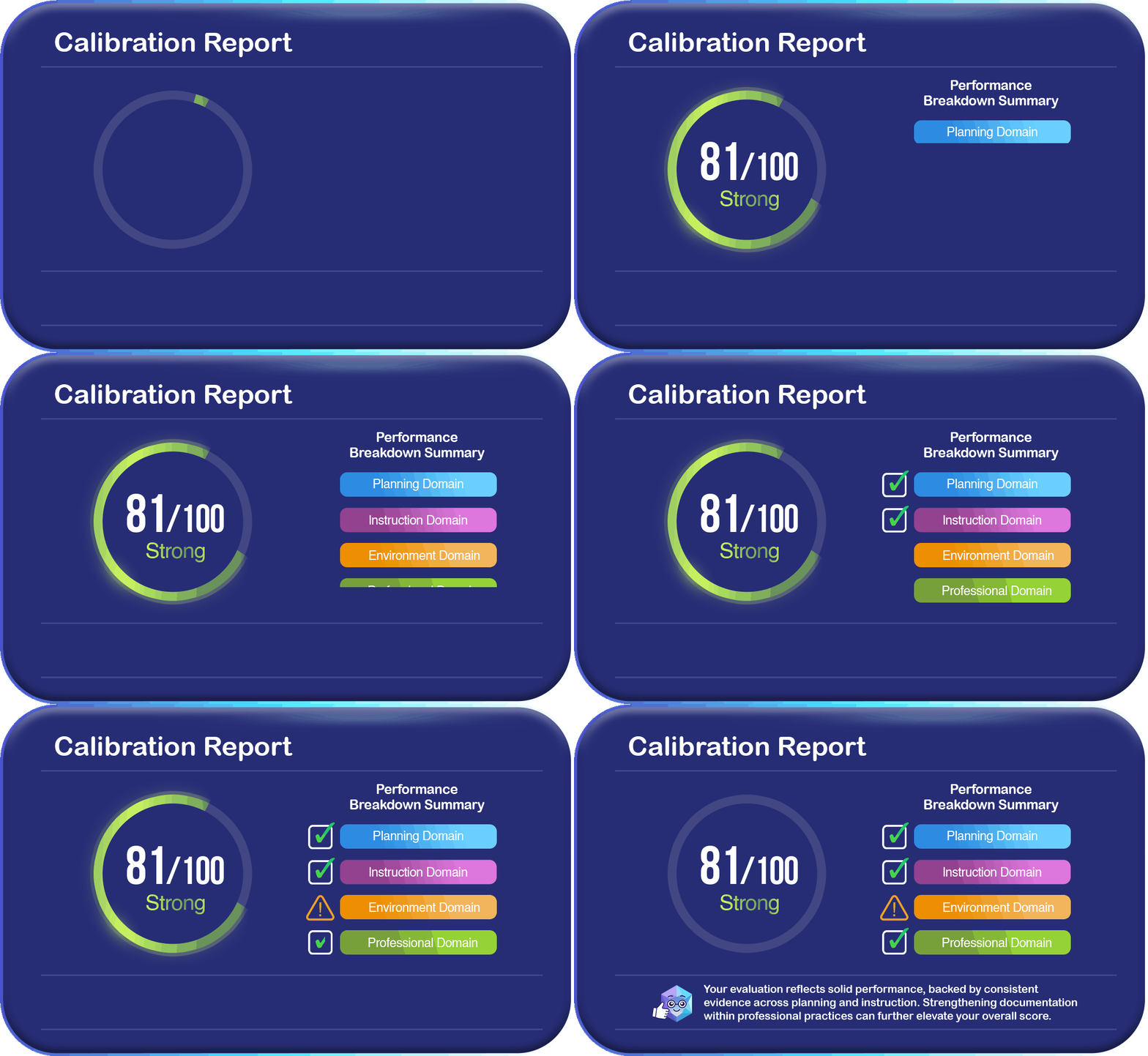
Capture. Align. Coach. Calibrate






WHAT GETS BETTER WITH REFYNED
When principals have more time in classrooms and stronger evidence from observations, they can give teachers feedback that actually helps improve instruction.


THE REAL ISSUE
Principals are spending too much time documenting observations and not enough time using them to improve teaching. The challenge isn't their expertise. It's having the time and support to turn classroom evidence into meaningful feedback.
WHY NOW


BUILT FOR SCHOOL LEADERS
RefynED helps principals spend less time on observation paperwork and more time in classrooms, giving teachers meaningful feedback that improves instruction.
Capture classroom evidence without spending the entire observation scripting.

Turn classroom evidence into specific, actionable feedback aligned to T-TESS.

Strengthen evaluation consistency with evidence-based insights that support professional judgment.
What this gives you
RefynED helps principals complete more walkthroughs, give teachers stronger feedback, and make evidence-based evaluation decisions—all without adding to their workload.
Efficiency
Spend less time documenting and more time supporting teachers.
Instruction
Help teachers improve with specific, evidence-based feedback.
Trust
Support T-TESS ratings with stronger evidence and more consistent practices.
MEASURE YOUR IMPACT
RefynED helps districts track improvements in walkthrough completion, classroom evidence, rating alignment, and evaluator consistency.
BEYOND COMPLETION
RefynED helps districts strengthen observation and evaluation practices throughout the school year—and see whether those improvements are happening.
Establish walkthrough targets
Identify priorities for stronger evidence
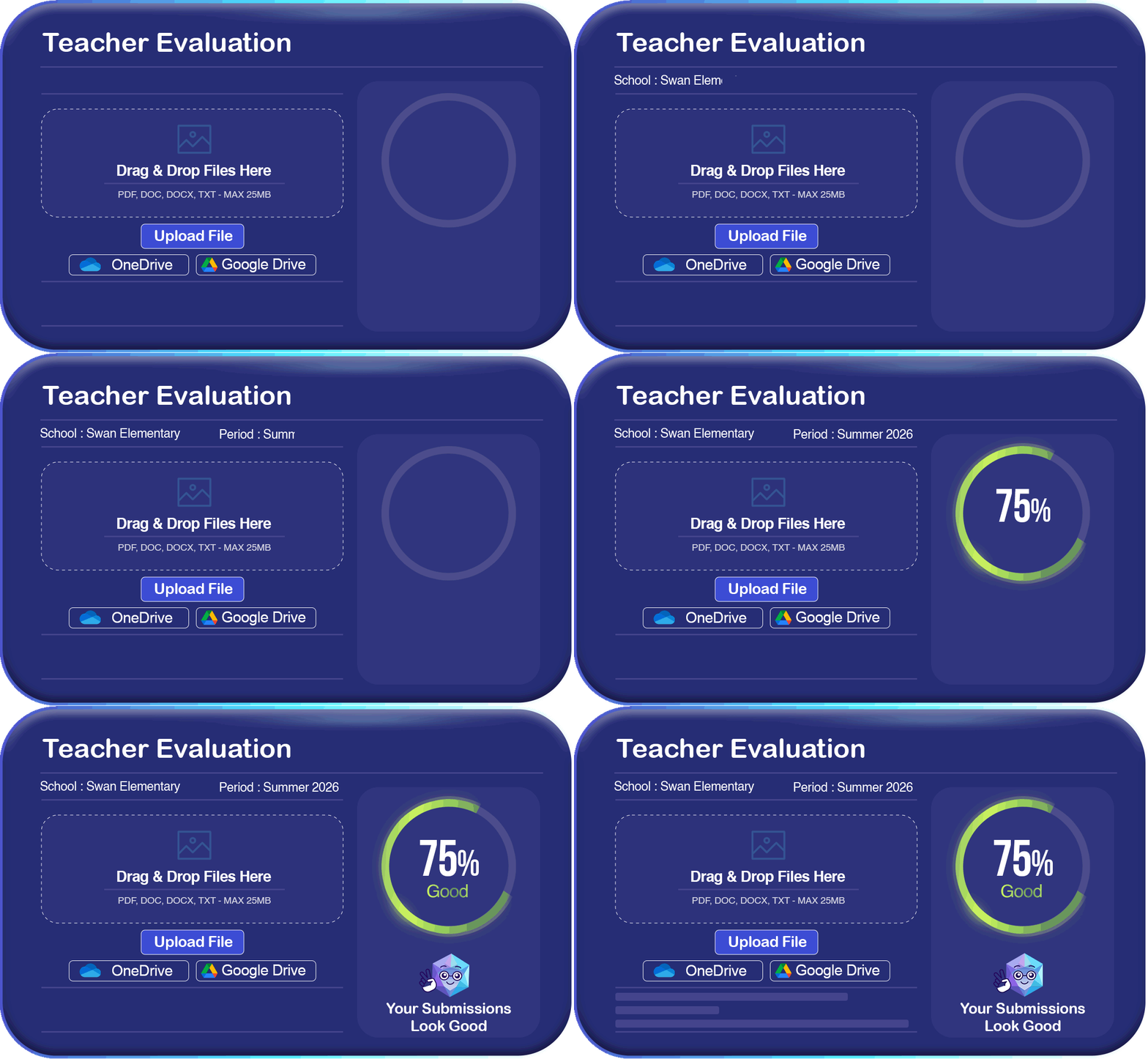
Observation notes
Lesson plans
Student work
Reflections
Complete more walkthroughs
Capture better classroom evidence
Give meaningful teacher feedback
Walkthrough completion
Evidence quality
Rating alignment
Evaluator consistency
NEXT STEP